Live Casino Lightning Roulette in the UK: How It Works
 Available in GB
The live stream shows the dealer and wheel in real time, while the casino interface handles bet entry; rules and wheel layouts still matter.
Table of Contents
- What Playing Lightning Roulette Online Actually Involves
- The Roulette Rules to Check Before You Join a Table
- Choosing a UK Casino Without Falling for the Sales Pitch
- First-Person View: A Different Angle, Not a Different Game
- Online Casino Offers: Check the Small Print Before Opting In
- Roulette Bets, Odds and the House Edge
- Trying a Demo Without Mistaking It for Real Play
- What the Live Dealer Changes—and What It Doesn’t
- Before You Play Online: Set Limits and Read the Table Rules
- European, American and French Roulette: Check the Wheel Layout
What Playing Lightning Roulette Online Actually Involves
Playing Lightning Roulette online means using two things at once: a live video feed from a casino studio and a betting interface on your screen. The dealer and wheel are shown in real time; you use the controls beside or below the stream to make your selections. It is not simply a video of a game that has already happened, and it is not the same as watching a clip and hoping to join in afterwards. Your screen is where the live action and your bet entry meet.
That distinction can get lost in the way games are presented. A table may be displayed with polished graphics and a dramatic name, but the basic live-casino arrangement is practical: the studio sends out the picture, while the interface lets you take part remotely. You are not physically at the table. You see the dealer through the stream and interact with the game through the controls provided by the casino.
I find it useful to keep those two layers separate. The stream is the view of the studio; the interface is the part you use to participate. If one is working and the other is not, the experience can feel odd: you might still see the table while the controls are unavailable, or be ready to act while the picture is catching up. A live format depends on both components doing their job.
If you’re choosing a UK casino for live Lightning Roulette in 2026, payout timing is one practical detail to check. Use these notes as a quick reference when considering your options.
Payout speed: 1-3 business days Zombillion lists a payout speed of 1–3 business days. Check this timing against your own payment and withdrawal details.
Payout speed: 1-3 business days Chanze lists a payout speed of 1–3 business days. This gives you a stated timeframe to consider when reviewing the operator.
Payout speed: 1-3 business days BeOnBet lists a payout speed of 1–3 business days. Keep this stated timing in mind when assessing the option.
Payout speed: 1-3 business days EvoSpin lists a payout speed of 1–3 business days. You can use this as a practical point of reference.
Payout speed: 1-3 business days Amunbet lists a payout speed of 1–3 business days. Consider this timeframe as part of your review.
Payout speed: 1-3 business days x3bet lists a payout speed of 1–3 business days. This is the available payout detail to factor into your choice.
Payout speed: 1-3 business days SpinFormula lists a payout speed of 1–3 business days. Use the stated timeframe as one detail in your assessment.
Payout speed: 1-3 business days NightLuck lists a payout speed of 1–3 business days. You can take this stated timing into account when considering the operator.
Payout speed: 1-3 business days Britsino lists a payout speed of 1–3 business days. This provides a stated timeframe to keep in mind.
Payout speed: 1-3 business days Dieselwin lists a payout speed of 1–3 business days. Consider this stated timing when reviewing the option.
The word “live” can sound like a promise of something more personal than it is. In this setting, it means the game is being streamed from a studio with a human dealer, rather than presented only as a screen animation. You can watch the dealer as events unfold, but your contact with the table still happens through the online interface. The stream does not put you in the room, and the interface does not turn the session into a private game.
For Lightning Roulette, the title identifies the game you are looking for, but it is not a complete description of how a particular table works. The key point here is the online format: a live studio feed paired with on-screen betting. A title or graphic alone should not be treated as a substitute for the information displayed at the table. Before taking part, make sure you are looking at the intended live game and can see the information the operator provides for that session.
That sounds basic. It matters.
There is also a legal line to keep clear in the UK. A live dealer casino serving British players needs the relevant UK Gambling Commission licence to operate legally. The Gambling Act 2005 governs gambling in England, Wales and Scotland; Northern Ireland has a different legal framework. For the British market, remote operators offering real-money gambling must hold the appropriate Commission licence, even if the business is based elsewhere. A live studio stream does not change that requirement.

So “online casino” is not, by itself, a useful sign of whether a service is authorised to take real-money play from people in Britain. The relevant issue is the operator’s licensing status, not whether its website looks professional or whether a game appears in a live-casino lobby. I would not treat a convincing stream as proof of regulation. The studio presentation and the legal permission to offer gambling are separate things.
The same separation helps when you are deciding what you are actually watching. A live dealer game has a human dealer in a studio and a real-time broadcast; your bet is entered digitally. The interface may show controls and information around the video, but the screen design can differ between operators. It is worth taking a moment to understand which game is open and what the on-screen controls refer to before using them. That is not a claim that every version looks or behaves the same. It is simply a reminder not to assume that a familiar title means every table is identical.
- Separate the studio stream from the betting interface
- Verify the operator’s UK Gambling Commission licence
- Confirm your selections on screen before the round ends
- Treat a professional-looking stream as proof of regulation
- Assume a familiar title means every table is identical
- Rely on graphics as a substitute for table information
I used to let the presentation do too much of the thinking for me. A slick stream made a game feel more straightforward than it was, and I would focus on the moving picture instead of the controls beside it. The useful habit is less glamorous: notice that the video is the view, the interface is how you participate, and the operator is responsible for offering the service under the relevant licence.
This page is for entertainment, not gambling advice. The live setup can make an online session feel closer to watching a table in a casino, but it remains remote play through a screen. Knowing that before you start helps set expectations. A stream is not the same as being at the table.
The Roulette Rules to Check Before You Join a Table
The useful thing to understand before joining a live roulette table is the order of play. You choose where to place your bets, the wheel is set in motion, the ball comes to rest in a numbered pocket, and the result is settled against the bets on the screen. If you picked the number where the ball lands, your selection wins. The rest is a matter of how the table displays your choices and when it stops accepting them.
That sounds simple because the central idea is simple. The part that can trip you up is treating the live stream as if it were the whole game. It is not. The wheel produces the result, while the on-screen controls let you make selections and see what you have committed before the next result.
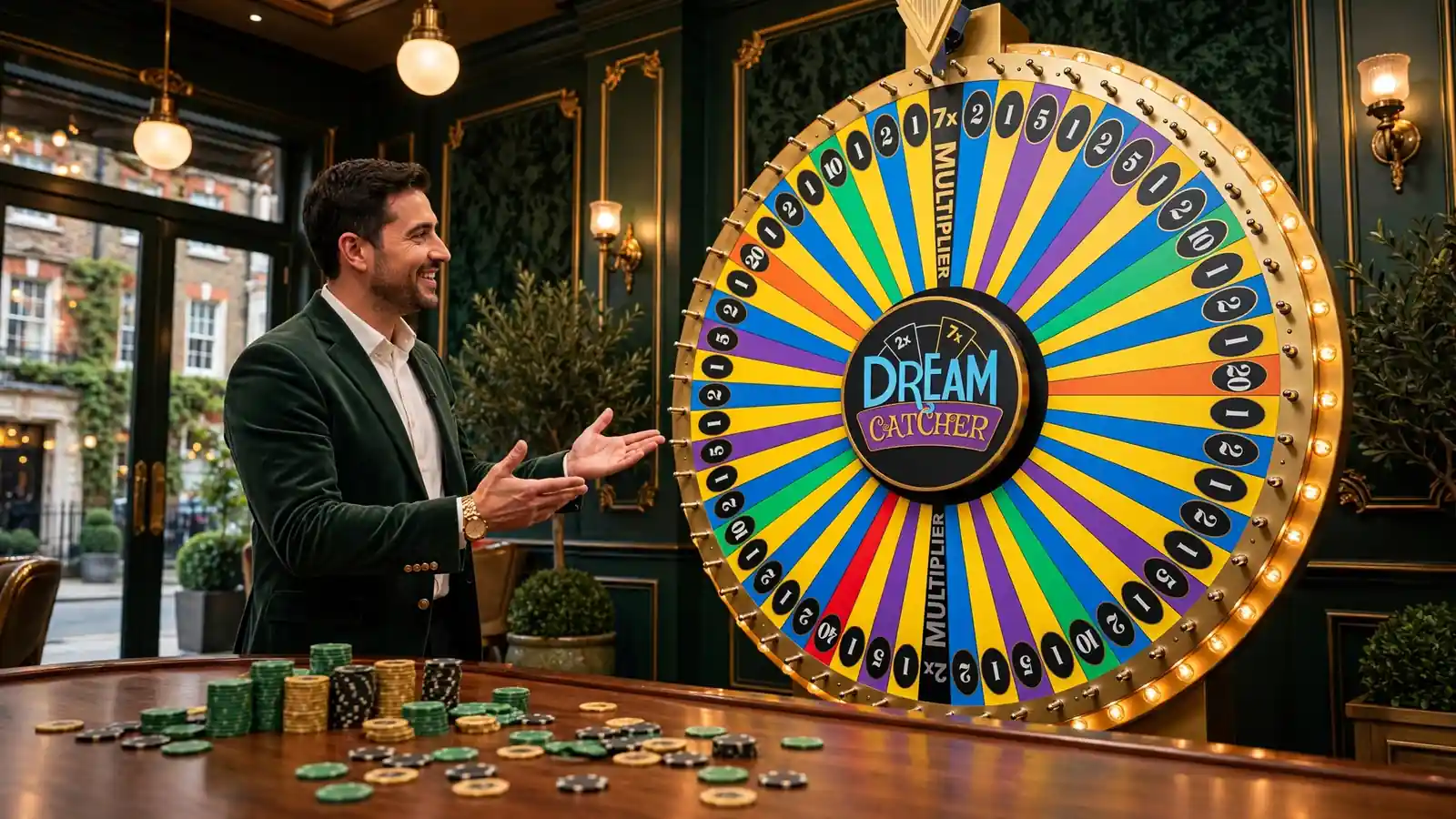
What happens during a round
At the start of a round, the table gives you a chance to make selections on its betting layout. You can choose a number or another available area of the layout, then confirm your stake through the interface. The screen shows the choices you have made, so pause long enough to check them. A rushed click can put a bet somewhere you did not intend.
Once betting closes, the dealer spins the physical wheel and releases the ball. The ball travels around the wheel before settling into a pocket. The number shown as the result is then compared with the selections placed for that round. A winning selection is settled according to the table’s displayed rules; selections that do not match the outcome lose.
Then the table moves on. You make fresh selections for the next round if you want to continue. Your previous choice does not carry over unless you deliberately place it again or use a table feature that repeats it. Check the screen rather than assuming the same bets are still active.
I learned to slow down at the point between rounds. The dealer may be ready for the next spin while you are still looking at the previous result. That is no reason to hurry. If you are unsure what is currently on the layout, take a moment to read it before confirming anything.
The physical wheel and the computerised version
In live roulette, a dealer spins a physical wheel and the ball lands in one of its pockets. You can watch that sequence as it happens on the stream. In computerised roulette, the outcome is produced by a Random Number Generator rather than by a ball travelling around a physical wheel.
A human dealer spins a physical wheel in a studio, and the result is broadcast in real time.
The outcome is produced by a Random Number Generator and presented through software.
The basic goal does not change: select an outcome, then see whether the ball lands on a number that matches your selection. What changes is how the result is produced and presented. With a physical wheel, you see the dealer and the ball. With a computerised game, the result comes from the game’s random-number system and is shown through the software.
That distinction matters if you are choosing a live casino Lightning Roulette table. The word “live” means there is a real wheel and dealer in the stream; it does not mean the player controls the wheel or can influence where the ball lands. Your part is selecting bets through the interface before betting closes. The dealer’s part is conducting the spin.
The screen can make both formats look similar: there is a layout, a result and a settlement. But they are not the same process behind the display. One uses a physical wheel; the other uses a Random Number Generator. I would not infer anything more from the appearance of the interface.
Read the table’s own instructions
Before making a selection, look at the table’s rules and the labels around its controls. The interface should make clear which choices are available, how to place them, and when betting is open or closed. If the game has special features, their terms should be explained there too. Do not assume that a feature name tells you exactly how it works.
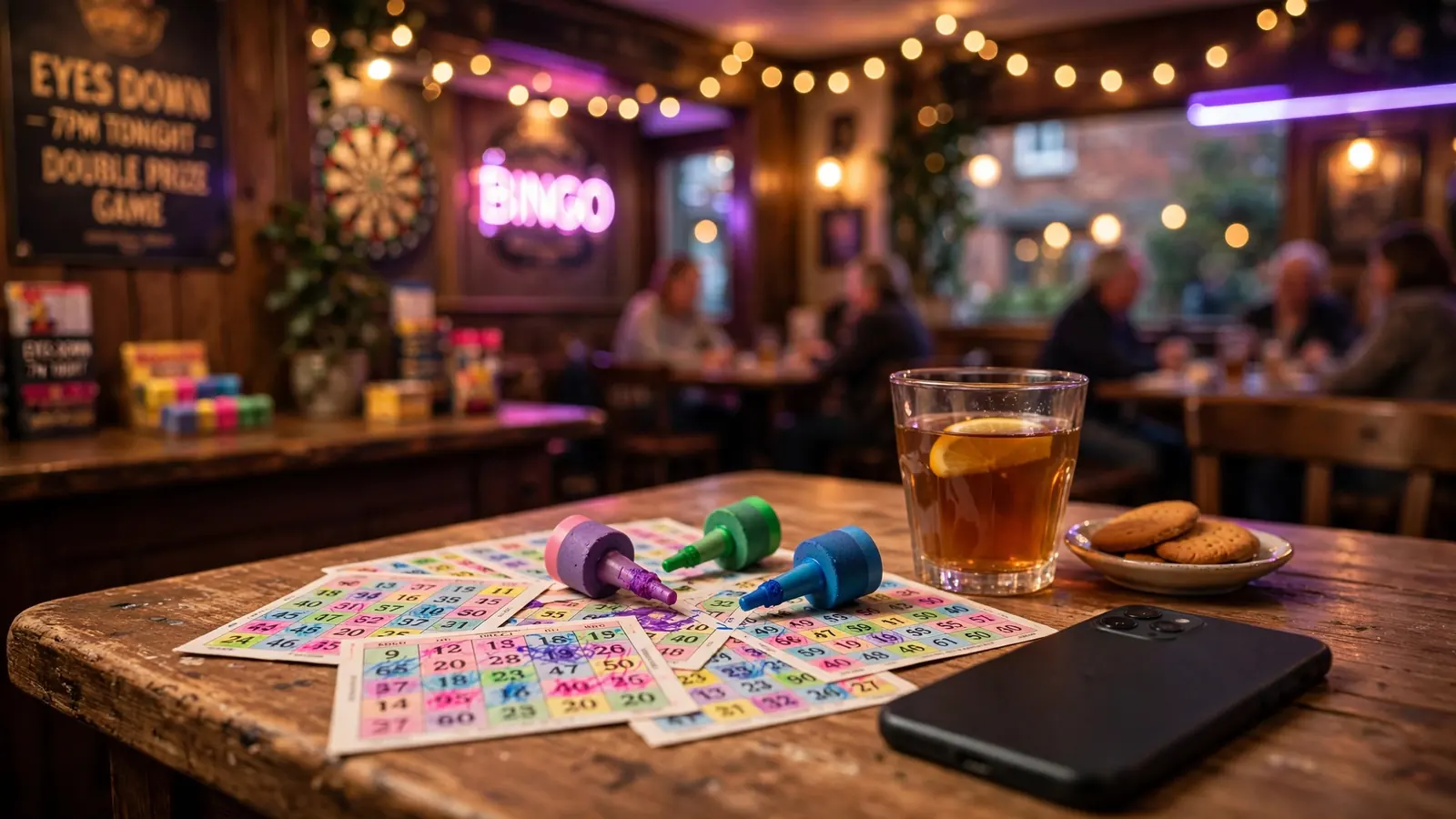
This is especially worth doing when a table is branded as Lightning Roulette. The roulette sequence remains the useful starting point: make your selections, wait for betting to close, watch the spin, and check the result. Any additional feature belongs to that table’s own rules, not to a general assumption about how every roulette game works.
I once treated a familiar-looking layout as permission to click through without reading. It was a poor shortcut. A clear interface helps, but it does not remove your responsibility to check what you have selected and what the table says happens next.
The cleanest way to follow a round is to separate the steps in your head: choose, confirm, wait, watch, check. You do not need to predict the ball or interpret the dealer’s movements. You need to know what you selected and whether the final number matches it. Keep that distinction clear, and the live stream is easier to follow without mistaking the spectacle for another set of rules.
Choosing a UK Casino Without Falling for the Sales Pitch
When I look for a place to play Lightning Roulette, I start with the dull check, not the bright banner: does the operator hold a current UK Gambling Commission operating licence? Live dealer casinos can operate legally in the UK when they have the relevant licence. A polished website, familiar payment branding or confident claims about being “trusted” are not substitutes for it.
Licensing Risk
Only use casinos that hold a current UK Gambling Commission operating licence to ensure the service is legal for British players.
The UK Gambling Commission is the regulator to check for an operator serving British players. If a casino does not hold the required licence, I cross it off rather than trying to weigh up its promotions or presentation. That is the first filter, not a stamp saying every part of the experience will suit you.
Look past the word “best”
There isn’t one best Lightning Roulette casino for everyone. A ranking can make a choice look settled, but a top position does not tell you whether the operator is licensed, whether the game is actually available to you, or whether you like the way its site works. I’ve been too quick to trust a confident “best” label myself. It’s marketing, not a reason.
Instead, check the basics on the casino’s own site. Can you find the operator’s legal name and licensing information? Does the site make clear which company is providing the gambling service? If those details are hard to locate or don’t line up, pause and verify the operator with the UK Gambling Commission rather than relying on a badge or slogan.
Then check that Lightning Roulette is listed as a game you can access at that casino. A general promise of a large live-casino selection does not confirm that this particular title is available. I’d rather see a clear listing than infer availability from a picture or a headline.
Compare the experience you’ll actually get
Once the licence and game availability are clear, consider how you expect to use the site. Is the game easy to find? Can you read the information attached to it before joining? Does the interface make it clear where to access the game and where to find help? These aren’t glamorous questions, but they matter more than a string of superlatives.
I also look at whether the casino presents its terms and contact information plainly. That isn’t the same as deciding whether a promotion is worthwhile; that needs a separate, careful read of its conditions. Here, the point is simpler: if basic operator information is buried or confusing, I don’t reward the site with my trust just because its advert looks slick.

A sensible comparison is specific. Check licensing first, confirm the game is offered, then judge whether the site is understandable enough for you to use. Don’t treat a large game catalogue, a dramatic welcome screen or a prominent “top choice” label as proof of quality. None answers the key question about regulatory status.
If you are choosing among casinos described as the best Lightning Roulette options in the UK, use the same checks for each one rather than assuming a ranking has done them for you. The operator must hold the relevant UK Gambling Commission licence to serve British players legally. After that, your own assessment of the site matters. I keep it plain: verify, then decide.
First-Person View: A Different Angle, Not a Different Game
“First-person” sounds like a promise of sitting at the wheel, seeing the table from the dealer’s side, or looking through a camera fixed in the action. In a live dealer roulette game, what you actually see is a real-time studio stream featuring a human dealer, alongside an on-screen interface for placing bets. That gives you a view of the live table, but it does not automatically mean there is a separate first-person version of Lightning Roulette.
The label can be slippery. It may describe the camera angle a player hopes to find, rather than a distinct game mode with different controls or rules. I’ve clicked into tables expecting the wording on a page to translate into a dramatically different view. Sometimes it just leads back to the familiar combination: video on one part of the screen, betting controls on another. Not quite the cinematic setup the phrase suggests.
With Lightning Roulette, keep the distinction clear: a camera view is about how the table is shown; roulette itself is about the game. The live stream lets you watch the dealer and the physical wheel in real time, while your selections are made through the digital interface. Changing the perspective would not, by itself, change how a roulette game works. Nor does the phrase “first-person” tell you what controls the table offers.

So, if you want to play from what feels like a first-person angle, inspect the actual table screen before committing to a bet. Look at how much of the wheel and dealer you can see, whether the video can be enlarged, and where the betting interface sits. Those are practical details you can assess directly. A label alone cannot tell you whether the view will suit you.
There’s a small but useful difference between “I can see the live table” and “I’m playing a dedicated first-person mode”. The first describes the live dealer format. The second suggests a specific presentation or feature, and you should not assume it exists just because a page or table is described in first-person terms. If the view is not clear from the table preview or description, treat the wording as a hint, not a guarantee. That saves you from mistaking marketing language for a control you can actually use.
I also wouldn’t confuse a close camera angle with greater involvement in the game. You still place bets on-screen; the video is there to show the live action. The interface remains the part where you make your selections, and the stream is the part you watch. It can feel more immediate than a computer-generated presentation, but “more immediate” is not the same as a new way to play.
That’s the plain answer for anyone looking for a first-person Lightning Roulette casino game in the UK: expect a live studio stream and digital betting controls, then judge the viewing angle from the actual table. Don’t assume a special mode from the wording alone. A different angle, if offered, is still just an angle. The game is still roulette.
Online Casino Offers: Check the Small Print Before Opting In
A welcome offer can look like a useful extra until you discover it has nothing to do with the table you wanted to play. I’ve learned not to treat “casino bonus” as a promise that every game is included. With Lightning Roulette, the important question is whether the promotion allows live roulette play at all—and, if it does, how that play counts towards its conditions.
Attention: Many UK welcome offers are limited to slots and may not be applicable to live tables like Lightning Roulette.
A specialist review reports that most UK welcome offers are free spins for slots, which cannot be used at live tables. Treat that as a prompt to check the offer you’re considering, not as a rule that applies to every operator. If the terms limit the promotion to slots, it won’t help with a live table. If the wording is unclear, don’t assume Lightning Roulette qualifies.
Check how live play counts
Even when live games are permitted, they may contribute only a small share towards wagering requirements. A specialist review gives 10% weighting as an example. That means a qualifying live bet may count for much less than its face value when the requirement is calculated. The exact treatment depends on the promotion’s terms, so look for a game-weighting table or a specific statement about live roulette.
I used to scan the headline and miss the part that mattered. “Eligible games” sounds broad; the detail may narrow it to particular categories or exclude live games altogether. Check whether the terms name roulette, live casino games, or the specific table. Don’t infer eligibility from the fact that the game appears in the casino lobby.
Read the conditions before opting in
Before accepting an offer, check:
- Wagering requirements: what needs to be played through before bonus funds or related winnings can be withdrawn.
- Game weighting: whether live roulette counts, and at what rate.
- Maximum bet limits: whether a bet above the stated limit can affect your eligibility.
- Offer exclusions: whether live tables, particular games, or bonus funds are excluded.
- Expiry conditions: how long the offer remains available and when its requirements must be met.
Those details can change the practical value of a promotion. A bonus that looks generous may be irrelevant if you mainly want to play live roulette. And if using it would push you into more play than you intended, skipping it is a perfectly sensible choice.
When comparing a casino for Lightning Roulette, don’t let a bonus headline make the decision for you. I’d rather know plainly that an offer excludes live play than opt in on an assumption and find out later. No mystery there.
This is entertainment content, not gambling advice. If you do choose to play, make the decision based on the terms you can actually read—not on a sales phrase.
Roulette Bets, Odds and the House Edge
A roulette bet is a choice about what you think the ball will land on. A straight-up bet names one number; other bets cover a broader outcome. That difference changes how often a selection can match the result, but it does not turn a roulette wager into a safe one. I used to focus on the size of a possible payout and barely notice how narrow the bet was. Wrong emphasis.
Straight-up bets carry a slightly higher house edge (2.9%) compared to other types of roulette bets (2.7%).
The house edge gives you a way to compare the built-in disadvantage across bet types. The stated edge for a straight-up bet is 2.9%, compared with 2.7% for other bets. The gap is small, but it is real: on these figures, the straight-up option carries the higher house edge. A broader bet may feel less dramatic because it covers more outcomes, yet the edge is still there.
That percentage is not a prediction of what will happen on your next spin. It does not mean the casino takes a fixed slice from every individual stake, nor does it tell you whether a particular bet will win. A single result can go either way. The house edge describes the game’s long-run balance, not a schedule for your session. I learned that distinction the expensive way.
For someone looking at a Lightning Roulette casino game, the same basic caution applies: think about the bet itself before getting carried away by the name or a possible payout. A straight-up selection is tightly tied to one number. Other bet types cover more possibilities, but neither choice changes the fact that roulette outcomes are uncertain. A headline payout is not the same thing as a better chance of winning.
If you play a Lightning Roulette casino game in the UK, compare the stated edge for the type of bet you are considering rather than assuming every option carries identical risk. The figures here put straight-up bets slightly higher than other bets. That does not tell you which choice will suit your budget, and it cannot promise a return. It simply gives you a clearer comparison than judging a wager by its potential prize alone.

I now try to separate two questions: what outcome am I backing, and what is the house edge attached to that kind of bet? The first is about the selection; the second is about the underlying disadvantage. Neither turns a spin into an investment. If the numbers make a wager sound more appealing than you can afford, step back. The arithmetic does not soften a loss.
Trying a Demo Without Mistaking It for Real Play
A demo-style roulette session can be useful for one modest reason: it lets you get used to the betting screen without risking money. You can practise selecting a number, see how your choice is recorded, then follow the result. In roulette, the ball lands on a number; your selection wins only if it matches that result.
That sounds simple, but the interface can still trip you up. I’ve clicked around too quickly before and thought I’d placed a bet when I hadn’t confirmed it. A no-cost practice session is a calmer place to learn where the number grid is, how a selected number is shown and when the table stops accepting bets. No mystery there.
If you’re looking for a Lightning Roulette demo in the UK, don’t assume that a free-play version of that specific game will be offered. Availability depends on what the operator makes accessible. If you see a demo or free-play option, check that it is actually the game you intend to try, rather than another roulette table with a similar screen. The label matters less than what is on the table.
Use a demo session to familiarise yourself with the betting grid and confirmation process without risking real money.
Practice can help you understand the basic link between your selection and the result, and get comfortable reading the interface before deciding whether to play for money. It cannot tell you what the next spin will do. A string of outcomes in a practice session is not a signal, and tracking previous results does not influence future spins or Lightning Numbers.
There’s another distinction I try to keep clear: practice credits are not cash. A demo session does not pay real winnings, and a result shown in free play should not be treated like money won or lost. It’s a way to learn the controls and observe an outcome, not a way to build a balance or test a reliable winning system.
If the game you want has no demo option, don’t let that push you into depositing just to find out how the buttons work. You can take a moment to read the screen and table information before making any real-money decision. And if you do move from practice to paid play, remember that the feeling of familiarity is not an edge. It only means you know where you clicked. For entertainment only, not gambling advice.
What the Live Dealer Changes—and What It Doesn’t
With Lightning Roulette at a live dealer casino, you’re watching a real-time studio stream while making selections through the betting interface on your screen. The dealer handles the physical wheel; you don’t control the spin. I find that distinction matters: the table can feel more like a shared casino game, but your betting still happens through buttons and menus.
The pace is different from a digital roulette game. There’s a dealer, a wheel and a live sequence to follow, so you wait for the action to unfold rather than moving straight from one result to the next. That can make a session feel less rushed. It can also feel slow if you’re used to instant digital play. Not a minor detail.
Table minimums are another practical difference. Live games have higher minimum bets than digital versions, so don’t assume the smallest stake you’ve seen in a software game will be available at a live table. The minimum is set for the particular table, and it’s worth checking before you join. I’ve learned not to click through first and only notice the table conditions afterwards.
A specialist review has reported live roulette and baccarat tables starting at around 20p, while blackjack tables can have higher starting limits. Treat that as a report from one type of source, not a promise about every UK table or a current Lightning Roulette minimum. The amount shown at the table is what matters.
A stable internet connection is part of the experience, too. The stream and betting interface both need to work smoothly enough for you to follow what’s happening and submit your choices. If your connection keeps dropping, a live table is a poor fit at that moment; the human dealer doesn’t make the stream independent of your device or network.
So what changes? You get a human-run, streamed game, a slower rhythm and table-specific minimums. What doesn’t change is that your decisions still go through an on-screen interface, and the live presentation doesn’t make the game faster or remove the need to check the table conditions. It’s the same broad roulette experience, with more waiting and a real dealer on camera.
Before You Play Online: Set Limits and Read the Table Rules
Before you play Lightning Roulette online in the UK, decide what you can afford to lose and treat that amount as the full cost of the session. Set the budget before opening the table, not after a run of spins has already changed your mood. I have made the mistake of thinking I could “win it back”; that is just a reason to keep spending after the plan has gone.

A limit only helps if you stick to it. When the budget is gone, stop rather than topping it up or extending the session to recover losses. The same goes if you happen to be ahead: winnings are not a reason to ignore the stopping point you set. It is a simple rule, and not always an easy one.
Before betting, read the table rules and paytable. Check what the displayed options mean, how the table handles a round, and what conditions apply to any special features. Don’t assume that a familiar roulette screen works exactly like another one. If a rule or payout is unclear, pause and look it up before placing a bet. A quick check beats finding out after the result.
It is also worth noticing whether you are looking at live dealer roulette or a computerized version. At a live table, a dealer spins a physical wheel; computerized roulette uses a Random Number Generator. The distinction affects what you are watching, but it does not make a session risk-free. Keep your spending decision separate from the atmosphere on screen.
I try to make the checklist boring on purpose: budget decided, table rules read, paytable understood, and a clear point at which I stop. If any of those is missing, I wait. There is no need to rush into a round because the table is open.
This content is for entertainment purposes only, not gambling advice. Play deliberately, and do not let a session run beyond the limits you set.
European, American and French Roulette: Check the Wheel Layout
The layout is more than a cosmetic detail. European Roulette has one green pocket, marked 0. American Roulette adds a second green pocket, marked 00, so the wheel and betting layout show an extra possible result. That changes the odds: a win is one in 37 on a European wheel and one in 38 on an American one.
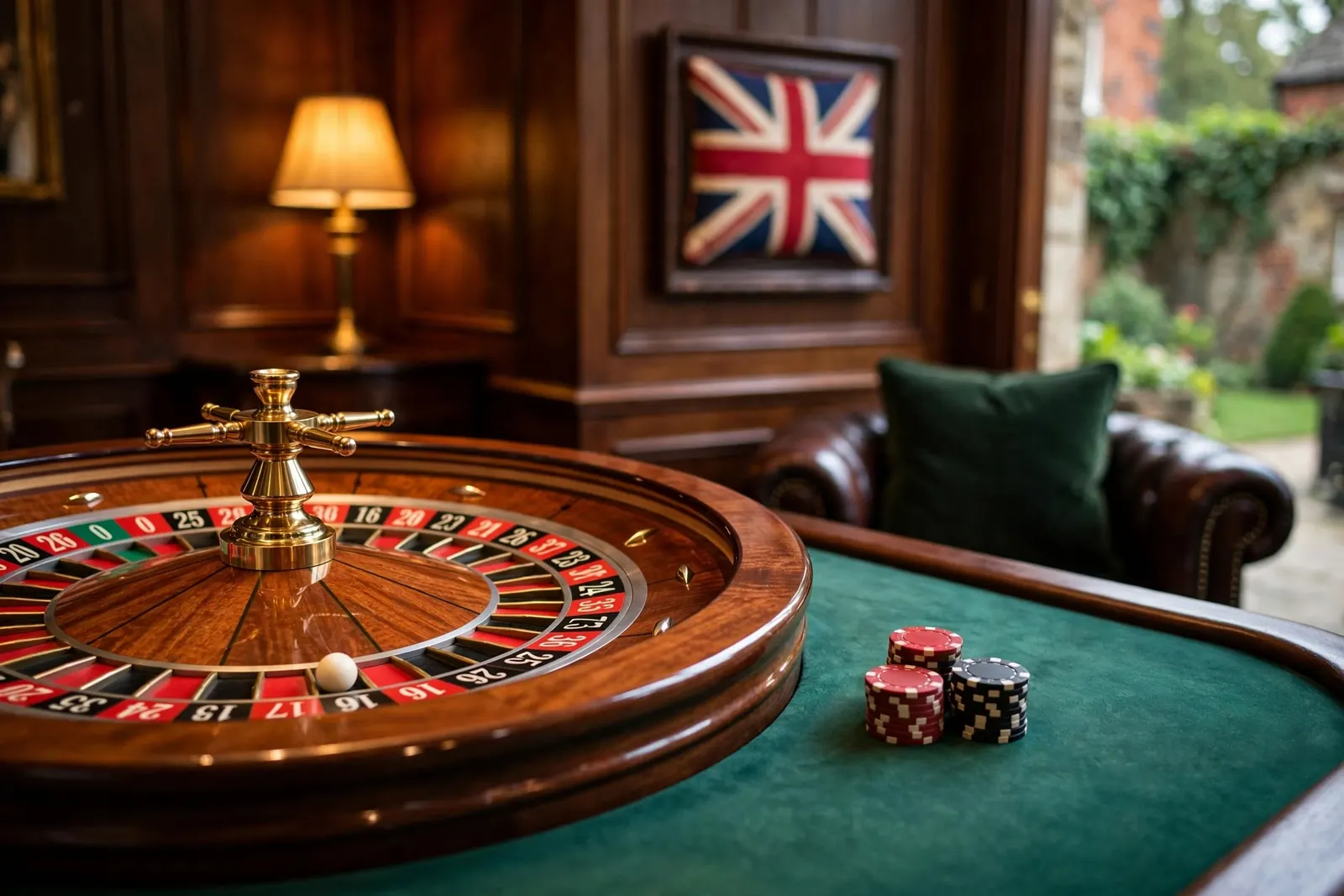
I used to glance at the table name and assume I knew what I was getting. Better to check the wheel itself and the rules shown alongside it before placing a bet. If you are looking at an online Lightning Roulette casino game, don’t assume the word “Lightning” tells you which roulette layout is in use. Check the table information for the format and the numbers shown.
French Roulette is another format to look out for, particularly if you are considering an even-money bet. Its rule can reduce the loss when the ball lands on zero: instead of losing the full stake, you lose only half. That is a rule to confirm in the specific table’s rules, not something to assume applies to every game labelled Lightning Roulette.
Small detail. Real consequence.
The wheel layout tells you which numbers can appear, while table rules explain how a particular bet is settled. I now check both rather than relying on a familiar-looking interface or a promotional label. It takes little effort and can prevent a mismatch between the game you meant to join and the one on screen.
This is entertainment, not gambling advice.
What are the different types of roulette you can play with a live dealer?
Live roulette can include European, American and French versions. American Roulette has both 0 and 00, while European Roulette has a single 0; in French Roulette, an even-money bet loses only half if the ball lands on 0.
How do you play live roulette?
Use the on-screen layout to choose and confirm your bets before betting closes. The dealer spins the physical wheel and releases the ball; your bets are then settled based on the pocket where it lands.
How does the house edge change between games?
In roulette, the stated house edge is 2.9% for straight-up bets and 2.7% for other bets. The wheel format also matters: American Roulette has a 00 pocket as well as 0, while European Roulette has only 0.
Prepared by the Reclamationstudios.org editorial staff.