Casinos That Accept Giropay in the UK
 Available in GB
Giropay availability can vary by country and account, so a general payment page is not a substitute for checking the live cashier.
Table of Contents
- Start with the cashier, not a casino’s payment-page promise
- A payment route needs to fit the account you actually have
- Can you use Giropay at a UK online casino?
- “Accepts cards” does not mean every card or payment route
- Using a payment method for slots doesn’t tell you which games are available
- If Giropay isn’t in the cashier, compare the routes that are
- Before you deposit, check currency, limits and the full cost
- Deposits and withdrawals may not use the same path
- What to expect when making a Giropay deposit
- A payment method does not tell you whether a casino is on GamStop
Start with the cashier, not a casino’s payment-page promise
A casino’s payment page can tell you what the operator says it supports, but it is not the final check for your account. I’ve learned to treat payment claims as a starting point, not a promise: the useful question is whether Giropay appears among the options available to a UK customer in that casino’s cashier.
That distinction matters because a general page may describe payment methods without showing which ones are active for every country, account or product. A method can appear in broad site copy and still not be presented when you reach the cashier. If Giropay is the reason you are considering a casino, look for it in the live payment options rather than relying on a logo, an old review or a page that simply mentions bank payments.
Check the UK view, not just the headline
Payment availability can depend on where the customer is based. So the useful check is not whether a casino has ever mentioned Giropay, or whether a page lists it without qualification. It is whether the cashier shows it for a UK account. If the site lets you view payment options only after signing in, that account-specific view is more relevant than a generic list on a promotional page.
If you’re looking at casinos that accept Giropay in the UK, payout speed is one practical detail to consider. Use this list as a starting point and check each casino’s current payment options before signing up.
Payout speed: 1-3 business days Zombillion lists a payout speed of 1–3 business days, giving you a stated timeframe to keep in mind.
Payout speed: 1-3 business days Chanze lists payouts as taking 1–3 business days. That gives you a clear estimate for payout timing.
Payout speed: 1-3 business days BeOnBet’s stated payout speed is 1–3 business days, a useful detail for you to consider.
Payout speed: 1-3 business days EvoSpin lists a payout timeframe of 1–3 business days. Keep this estimate in mind when considering payout timing.
Payout speed: 1-3 business days Amunbet gives a payout speed of 1–3 business days, providing you with a stated timeframe.
Payout speed: 1-3 business days x3bet lists payouts as taking 1–3 business days, which gives you an estimate to factor in.
Payout speed: 1-3 business days SpinFormula’s stated payout speed is 1–3 business days. This is the available timing detail for you to consider.
Payout speed: 1-3 business days NightLuck lists a payout timeframe of 1–3 business days, giving you a stated estimate.
Payout speed: 1-3 business days Britsino gives a payout speed of 1–3 business days. You can use this as a reference when considering payout timing.
Payout speed: 1-3 business days Dieselwin lists payouts as taking 1–3 business days, providing you with a stated timeframe.
I would also be wary of wording that groups several routes together. “Bank payments” may refer to a transfer or an open-banking service; it does not, by itself, identify Giropay. Likewise, a list of familiar brands does not establish that every listed option is available to every customer. The cashier needs to name the actual method.
Look closely at the method labels. If Giropay is not shown, a nearby option is not a substitute just because it involves a bank or looks similar. Don’t infer support from a logo elsewhere on the site, either. That logo may be part of a general payment page rather than a live statement of what you can use.
Treat old payment lists with caution
Payment pages and casino reviews can age badly. A review may have been accurate when written, but payment options can change; a copied list can keep circulating after the cashier has changed. Even a page presented as current is less useful than the option displayed in the account you would actually use.
A specialist review can help you identify what to check, but it should not settle the question for you. If it names Giropay, use that as a prompt to inspect the operator’s cashier—not as confirmation that the method is presently available to UK customers. The same goes for bonus pages, casino lists and claims about slots: none of those tells you what payment options the cashier offers.
This is where I used to cut a corner. I saw a method mentioned on a page and mentally treated that as the same as being able to use it. It isn’t. One clear listing in the live cashier is worth more than several confident lines on a page you can’t tie to your own account.
What counts as a clear confirmation?
For this check, the answer is straightforward: Giropay should be identified by name among the payment methods offered in the UK-facing cashier. A vague reference to online banking, bank transfer or a payment partner is not enough to call it Giropay. Nor is a page that says the casino accepts bank payments without naming the route.
If the cashier has a country selector or account-specific display, make sure you are looking at the UK version. If the relevant options are hidden until login, do not assume that a public payment page will match what appears after you sign in. The live list is the practical point of confirmation; a customer-support answer can clarify an unclear label, but it is sensible to ask about UK availability specifically rather than asking whether Giropay is supported in general.
Keep a record of what the cashier actually displays if you are comparing casinos. A quick note of the operator, the date you checked and the exact method label can stop you mixing a current listing up with an old one. It is a small habit, but it avoids turning a vague memory into a confident claim.
- Look for Giropay by name in the live cashier
- Check the UK-specific account view
- Use a customer-support answer to clarify labels
- Rely on a logo or general payment page
- Infer support from a “bank payments” label
- Trust old reviews as confirmation of availability
Don’t read more into a listed method
Even where a site names familiar payment brands, that does not establish the availability of Giropay. Specialist casino reviews may list Visa and Mastercard, for instance, but current UK availability and eligibility for a particular card product still need checking in the cashier. The same basic caution applies to any method mentioned outside the live payment options: a general statement does not answer the account-specific question.
For a page promising Giropay casinos, the useful test is not how many names it lists. It is whether each casino’s UK cashier currently names Giropay. If it does not, that page has not given you a reliable confirmation, whatever its headline says.
No guesswork.
A payment route needs to fit the account you actually have
A payment method can look suitable on a casino page and still be a poor fit for the account you intend to use. The basic check is about ownership: the casino account and the payment account should belong to the same person. When names or other account details do not line up, a transaction can attract questions that have nothing to do with the payment method itself.
I learned to take that seriously after treating a deposit like a quick checkout. I was focused on whether a route appeared in a list, not on whether the account behind it matched my casino profile. That is the wrong order. Your payment account is not just a button; it carries details that the casino may need to reconcile with your own account.
Using someone else’s bank account, wallet or payment login can create avoidable friction, even if that person has agreed to help. The casino may not be able to treat the payment as yours simply because you made the request. It can also leave you having to explain why the names differ. I would not assume that a partner’s or relative’s account is an acceptable workaround.
The same principle applies to Giropay. A search for casinos that accept Giropay in the UK does not settle whether a particular payment account is compatible with a particular casino account. If the route is offered to you, the important point here is still that it should be tied to you, not borrowed from someone else. Availability and ownership are separate checks.
Keeping to one named account can also make your payment history easier to follow. If you use the same account consistently, the casino has a clearer record of where transactions came from. That can reduce basic mismatches and make it easier for you to recognise which payment route you used. It is not a promise that every transaction will be smooth; it simply avoids adding a preventable complication.
I used to think switching routes was harmless: pick whichever option looked easiest at the time and sort out the details later. In practice, that can leave you with a muddled picture of which account was used and whether the details match. One consistent route is often the cleaner approach, provided it is available and belongs to you.
“Flexible” sounds good. A clear trail is better.
Consistency does not mean you must keep using a route that no longer suits you, nor does it guarantee that a casino will accept a payment or process it in a particular way. It means that, when you do choose a method, you avoid unnecessary changes and mismatched ownership details. Before committing, make sure you can identify the payment account as yours and that its details correspond with the account you hold at the casino.
Account Ownership
Using a payment account that does not belong to the same person as the casino account can create friction and lead to transactions being questioned.
This matters whether you are using a website or an app. A different screen does not change who owns the casino account or the payment account. Nor does a payment label prove that a route is appropriate for your circumstances. The useful question is not whether a method sounds familiar, but whether you can use your own account details consistently.
There is also a practical benefit for your own record-keeping. When the same named account is used consistently for deposits and withdrawals, you are less likely to lose track of which route is associated with your casino account. That can make it easier to spot a mistake and explain a transaction if the operator asks for clarification. Keep your own records, too; do not rely on remembering which option you clicked.
A payment route should fit the person making the transaction. If the details belong to somebody else, pause rather than assuming permission is enough. If they belong to you, consistency can remove one avoidable source of friction. Plain, but useful.
Can you use Giropay at a UK online casino?
I can’t point to a UK online casino as a confirmed place to use Giropay. So if you’re asking whether you can rely on Giropay for a casino deposit in the UK, the careful answer is: don’t assume that you can.
That is different from saying no casino could ever offer it. Payment options can vary between operators and can change, so an old mention or a general payment page may not reflect what a UK customer can use now. A page might describe Giropay without confirming that it is available for UK accounts, or it may refer to a payment option offered in another market. The wording can look clear while the practical detail is missing.
I used to read “Giropay accepted” as a firm yes. It isn’t, unless the claim matches the account and market you’re actually using. The useful distinction is between a method being mentioned somewhere and being offered to you as a deposit option. They are not the same thing.

That also means I would be wary of lists promising the best UK casinos for Giropay, or saying a casino pays out to Giropay. A list can repeat a claim without showing whether it applies to customers in Britain. And a statement about deposits does not, by itself, establish that withdrawals can go through the same route. Don’t let a confident headline do the checking for you.
The practical confirmation belongs in the casino’s cashier for your account: that is where you can see which methods are actually presented to you. The point here is simpler. Until Giropay is clearly offered for your UK account, treat a casino’s general payment wording as unconfirmed rather than as permission to plan a deposit around it.
The same caution applies when somebody says they have used Giropay at an online casino. Their account may be in another country, or the option may have been available at a different time. That does not make their experience false; it just does not settle what you can use from the UK today.
I’d also separate “Giropay casino” from “casino with a Giropay deposit” and “casino that pays out to Giropay”. Those phrases describe different claims. A payment brand appearing in a description does not tell you which transaction it covers, or whether it is available to every customer. For a specific operator, only a current, account-relevant offer is useful.
So, are there UK online casinos that accept Giropay? I can’t responsibly give you a confirmed yes or name a site on that basis. Treat any broad claim as a lead, not proof, and don’t commit money on the strength of a payment-page promise. A cautious answer is less exciting. It is also the one I’d want before depositing.
“Accepts cards” does not mean every card or payment route
A cashier that lists card payments has not promised that every card, issuer or route will work. UK casinos commonly accept debit cards, including Visa and Mastercard, but that broad label is only a starting point. It does not confirm that a particular product is eligible for gambling payments, or that a payment associated with a card scheme will be treated as a card transaction at all.

I used to read a row of familiar logos as a green light. It isn’t one. A specialist review may name Visa and Mastercard, for instance, but that does not settle what a UK customer can use now. Payment arrangements change, and the card type, account and cashier options all matter. Check the live cashier for your own account rather than relying on a payment page or an old list.
That distinction matters when you are looking for Giropay. A casino accepting debit cards is not, by that fact alone, a Giropay-accepting casino. Nor does a mention of Giropay somewhere on a general payment page prove that it is available for a UK account, or that a card-linked route will be accepted. These are separate questions, not interchangeable labels.
“Card accepted” can be a very broad phrase. The cashier may show card brands while still limiting which products are eligible, or while presenting different options depending on the account. If Giropay is not explicitly shown for your account, do not infer that a Visa or Mastercard logo covers it. And if a payment option is shown, read its label carefully: a bank payment, a card payment and a named payment service can follow different routes even when they appear connected in a search result.
There is another UK-specific point worth keeping straight. Credit-card payments for gambling are banned at UK-licensed casinos; the rule has not been relaxed. A card logo therefore should not be read as permission to use a credit card. The practical question is whether the cashier offers an eligible debit-card option for your account. If there is any doubt about the product attached to your card, check with the casino or your card provider before trying to pay.
I’d keep the check narrow: sign in, open the cashier and look at the payment methods actually available to you. Confirm the wording and whether it identifies the method you intend to use, rather than assuming a card brand or a third-party reference means the same thing. This is especially useful on mobile, where payment labels can be tucked into a menu or displayed differently from a desktop page.
Attention: Credit-card payments for gambling are banned at UK-licensed casinos; a card logo should not be read as permission to use a credit card.
A failed attempt is not proof that every card of that brand is blocked, just as a successful card payment elsewhere does not prove this casino accepts the same route. The cashier’s current options are the relevant test for compatibility. Logos are not a guarantee.
Using a payment method for slots doesn’t tell you which games are available
A payment logo and a games lobby answer different questions. One tells you about a possible way to move money; the other shows what you can play on that site. I’ve made the mistake of treating a payment page as a shortcut to the rest of the experience. It isn’t. A casino associated with a particular payment method is not automatically a place with a particular slot, theme or game selection.
That matters when you’re looking for Giropay slots or a casino that accepts Giropay deposits. Even if a payment option appears in a description, it doesn’t tell you whether the games you want are in the lobby, available to your account or still offered there. Nor does a games page prove that a particular payment route is available. Keep those checks separate.
Check the lobby for the games themselves
If slots are the reason you’re considering a casino, look at its actual games area rather than relying on a general label such as “large selection”. Use the site’s own categories or search function to see what is currently listed. If you have a particular title in mind, search for that title directly; a broad claim about slots won’t establish that it is present.
A lobby can also be arranged in a way that makes a catalogue look more definite than it is. Featured tiles and promotional sections are not the same as a complete list, and a game shown in one part of a site may not tell you what is available in another. I’d check the relevant game page before creating an account around an assumption.
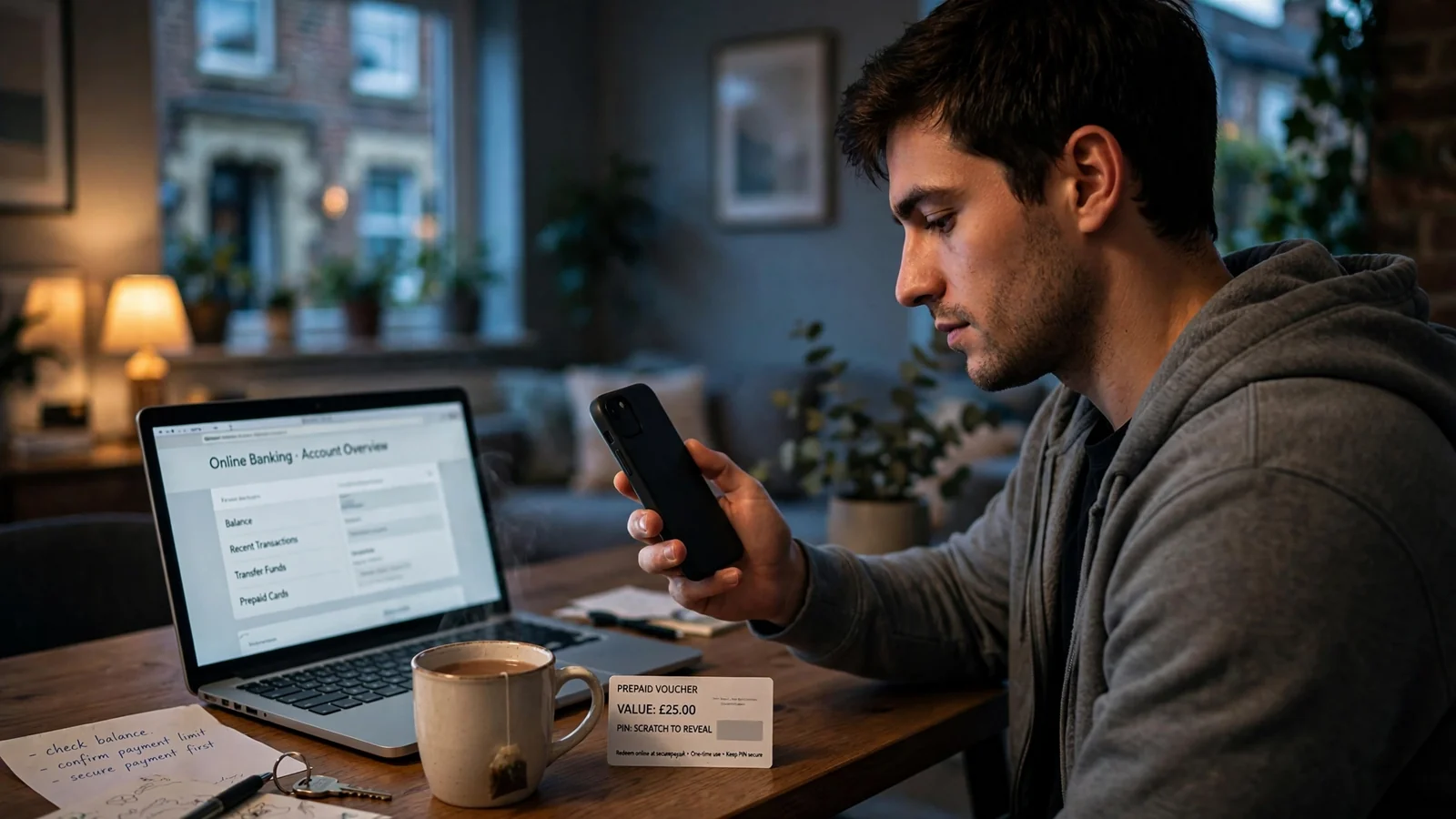
“Best” is especially slippery here. It might mean a preferred theme, a familiar title or simply a catalogue that feels easy to browse. Those are personal preferences, not things a payment method can settle. A bonus claim doesn’t answer them either: payment eligibility, any promotion terms and the games you want to play are separate details to establish rather than assume.
For mobile use, make the same distinction. A site being usable on a phone would not, by itself, confirm that Giropay is offered there or that its full game catalogue is available in the same way. Check the mobile site or app’s own lobby and payment information, rather than treating “mobile casino” as proof of either.
There are also rules that shape how online slots work in Britain. Autoplay is not allowed, and each slot spin must last at least two and a half seconds. Those rules affect play, not the identity of the games on offer. A payment page cannot tell you whether a game suits you, and a slot listing cannot confirm the route you can use to pay.
I now treat these as two separate decisions: first, whether the site actually offers a payment option I can use; then, whether its current games are ones I want to play. No shortcut there.
If Giropay isn’t in the cashier, compare the routes that are
If Giropay is not available to you, there is no single replacement that suits every account. I’ve learned not to read “more choice” as “every route will work for me”. Compare the methods the casino actually offers, then consider what you need the payment to do.

Debit cards are a familiar option at UK casinos. Visa and Mastercard debit cards are commonly accepted, but that does not make every card or transaction eligible; the cashier’s listing is what matters. Keep the distinction clear: UK-licensed casinos cannot accept credit-card payments for gambling. A credit card is not a substitute if a debit-card payment is declined.
PayPal may appeal if you value speed and convenience. A specialist casino review describes it as popular for those reasons, but that is not a promise that a particular casino offers it. Nor should you assume a PayPal deposit qualifies for a promotion: the same type of review notes that bonus eligibility may exclude it. Read the offer’s terms before treating a payment method as part of a bonus plan.
Open banking and bank transfers are another possible route. A specialist review says these can allow instant deposits and fast withdrawals at many sites. That is a description of what may be available, not a guarantee for every casino or account. Check the cashier and the operator’s payment information rather than choosing based on a broad claim about speed.

Paysafecard works differently. It is a prepaid voucher for deposits only, so it is not a like-for-like replacement if you expect to use one method for both funding and receiving money. That distinction is easy to miss when a payment page groups every logo under the same heading.
So what is the best Giropay alternative for online casinos in the UK? It depends on the route you want and what the specific casino makes available. A debit card may be the straightforward option; PayPal may suit someone who already uses it; bank transfer or open banking may be worth checking if those appear in the cashier. A deposit-only voucher has a narrower role.
I would not pick a route from a generic list of “accepted methods”. Look at the options shown for your account, and make sure the method fits the purpose you have in mind. No universal winner.
Before you deposit, check currency, limits and the full cost
Before I look at the amount I want to deposit, I check what currency the casino account will use. A payment page may mention GBP, but that does not tell you what currency has been selected for your account. A specialist casino review may report that a site supports GBP; treat that as a prompt to check your own account settings, not as confirmation that your first transaction will be processed in pounds.
If the account and payment route use different currencies, a conversion may be applied. Check which party sets the exchange rate and what rate will be used before you confirm. The visible fee is not necessarily the whole cost: the conversion spread can outweigh a flat charge. I have learned not to judge a payment by one line marked “fee”. That misses the rest.
If the account and payment route use different currencies, a conversion may be applied. Be aware that the conversion spread can outweigh a flat charge.
Check the limits for the method you select
Minimum and maximum deposit amounts can depend on the payment method, and maximums may also vary with account status. A specialist review reports that minimum deposits can start within the £10–£20 range, but that is not a promise about a particular casino or cashier. The amount shown for your chosen route is the one to rely on.
Look for limits that apply per transaction as well as any daily or monthly caps. If you plan to deposit a particular amount, confirm that the method accepts it before starting; otherwise, you may have to change the amount or choose a different route. UK rules also require remote gambling licensees to prompt new customers to set a financial limit before their first deposit and to make account-level limit controls accessible. Check those controls too, and set a limit that suits your circumstances.
Add up the possible charges
A specialist review identifies several possible cost points: the casino, the payment provider, your bank or card issuer, currency conversion, and, where relevant, a payment network. Not every transaction will involve every charge, so check the terms for the route and amount you intend to use. There is no single payment method that can be called the cheapest without comparing those costs for your situation.
Read the confirmation screen carefully. Check the deposit amount, the currency being charged, and whether any fee or conversion is shown. If the account is in pounds but another party will convert the payment, ask what rate applies rather than assuming the displayed balance tells the whole story.
It is a small pause before you commit, but it can save a nasty surprise. Compare the actual total, not the headline amount.
Deposits and withdrawals may not use the same path
A payment option shown for deposits does not automatically tell you how a withdrawal will be handled. I used to read a familiar logo in the cashier as a promise that money could travel both ways. It isn’t. Before paying in, check the casino’s withdrawal rules as well as its deposit options, and look for any method-specific conditions.
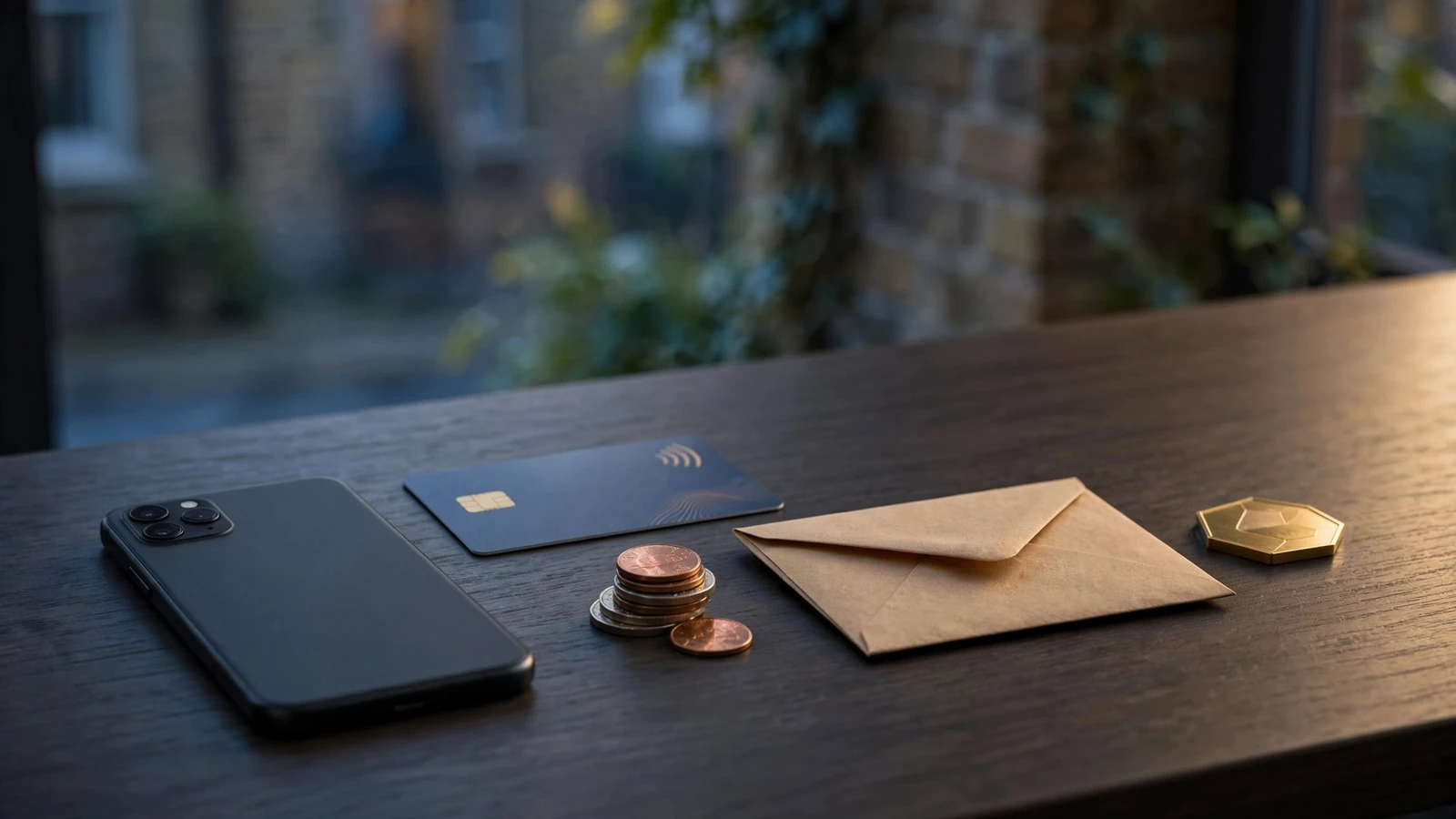
For Giropay in particular, don’t assume that a casino offering it for a deposit would also send a payout back through Giropay. The practical question is whether the cashier and the operator’s withdrawal terms identify that route for withdrawals. A Giropay label on a payment page, or a general statement about available payment methods, is not enough to settle that.
UK anti-money-laundering controls commonly require winnings to go back to the original payment source. That closed-loop approach helps explain why a casino may not let you choose any destination you like at cash-out. If a return to the original source is not possible, the operator may ask you to use another route and complete extra checks. Don’t treat that as an instant switch; the casino’s rules and your account circumstances matter.
Timing is another separate issue. A payment provider may move funds quickly once a withdrawal is approved, but the casino has its own review to complete first. A specialist casino review points out that first withdrawals can take longer while the operator checks the customer’s account. In practice, an incomplete KYC check can hold things up, and the time spent waiting for approval is part of the overall withdrawal process.
So I now check two things separately: whether a method accepts deposits, and whether it is an available withdrawal route under the casino’s rules. I also check whether the account is fully verified before relying on any stated processing estimate. “Fast withdrawal” can describe only one part of the journey.
Keep the distinction in mind when comparing Giropay deposits with withdrawals at UK casinos. The route in and the route out may differ, and no payment label by itself tells you how long a payout will take. That’s the bit worth checking.

What to expect when making a Giropay deposit
Whether you can deposit with Giropay at a UK online casino comes down to what that casino makes available to your account. A payment logo on a general information page is not the same as a working deposit option. I would not plan a deposit around Giropay unless it appears as a selectable method in the casino cashier.
If it is not there, there is no Giropay deposit to complete at that site. Don’t assume that a card, bank payment or another route connected to the same financial account will behave like Giropay. The cashier’s listed method is what matters for that transaction.
A deposit bonus is a separate matter. A promotion described as “available” may still have payment-method conditions, and a no-deposit offer does not require a deposit method at all. Read the offer terms for its eligibility rules rather than assuming that choosing Giropay would qualify a deposit. No payment route, by itself, establishes that a casino has a no-deposit bonus or a particular bonus amount.
When another payment method is offered, check its minimum before entering an amount. A specialist review may describe minimums in the £10–£20 range across casinos and methods, but that is not a promise about the cashier in front of you. Your account’s applicable figure is the one shown by the operator. Maximums can also differ by method and account status, and may be set per transaction or across a day or month.
That is the useful part to check before you commit: the actual method, the minimum attached to it, and any account-specific ceiling. If the amount you want to deposit falls outside those limits, don’t keep retrying with guessed figures. Choose only a method and amount the cashier allows, and make sure you have set the financial limit required before your first deposit. No guesswork.
A payment method does not tell you whether a casino is on GamStop
A casino mentioning Giropay tells you nothing about whether it is connected to GamStop. Payment acceptance and self-exclusion are separate matters; one cannot confirm the other. So a Giropay reference is not evidence that a casino is outside GamStop, nor that it is included.
I would not treat a payment page, an advert or a third-party listing as proof of a site’s self-exclusion status. If that status matters to you, check the operator’s own information and GamStop’s official guidance. Also confirm that the site holds a current UK Gambling Commission licence before using it. Remote gambling businesses serving the British market need the relevant licence, wherever they are based.
If you have self-excluded, looking for a payment route that might work elsewhere is not a safe workaround. It doesn’t change the exclusion you set, and a payment method cannot tell you whether another account is appropriate for you. Step back instead of trying to route around a boundary you chose.
There are account controls too. UK-licensed remote operators must make new customers set a financial limit before they can deposit, and keep account-level limit controls accessible afterwards. That is separate from GamStop: a deposit limit manages spending within an account; self-exclusion is a different control. Neither is indicated by whether a cashier lists Giropay.
The phrase “not affected by GamStop” can sound like a payment feature. It isn’t. Don’t assume a site is suitable, available or outside an exclusion because a payment method appears beside its name. Check the facts that matter directly, and if you have chosen to exclude yourself, stick with that choice.
Why must withdrawals return to the deposit method?
It is a common anti-fraud and anti-money-laundering control. Using an account and payment method in your own name can reduce ownership checks and avoidable delays; an alternative route may require extra verification.
Which method has the lowest fees?
There is no single lowest-fee method for every transaction. Compare the casino’s charges, provider or bank fees, currency-conversion spread and any network costs for the amount you plan to move.
Do UK casino withdrawals require verification?
Verification may be needed, particularly before a first withdrawal, and it can delay processing. Make sure your casino and payment accounts belong to you and that your account is fully verified.
Are fast casino withdrawals guaranteed?
No. Even with a fast payment method, the casino must approve the withdrawal, and verification or the payment provider’s processing can affect how quickly you receive the funds.
Are Visa and Mastercard deposits definitely debit cards?
No. Visa and Mastercard are accepted by many UK casinos, but check the cashier to confirm that the option is available to you and that your particular card is eligible.
Why can a fast payout casino still delay my withdrawal?
A casino’s internal approval and account verification can hold up a withdrawal, especially the first one. Bank-transfer cut-off times, weekends and currency conversion can also affect delivery.
Published by the Reclamationstudios.org team.